
How I built "The grey zone": an AI, my own photos, and a page that showed nothing
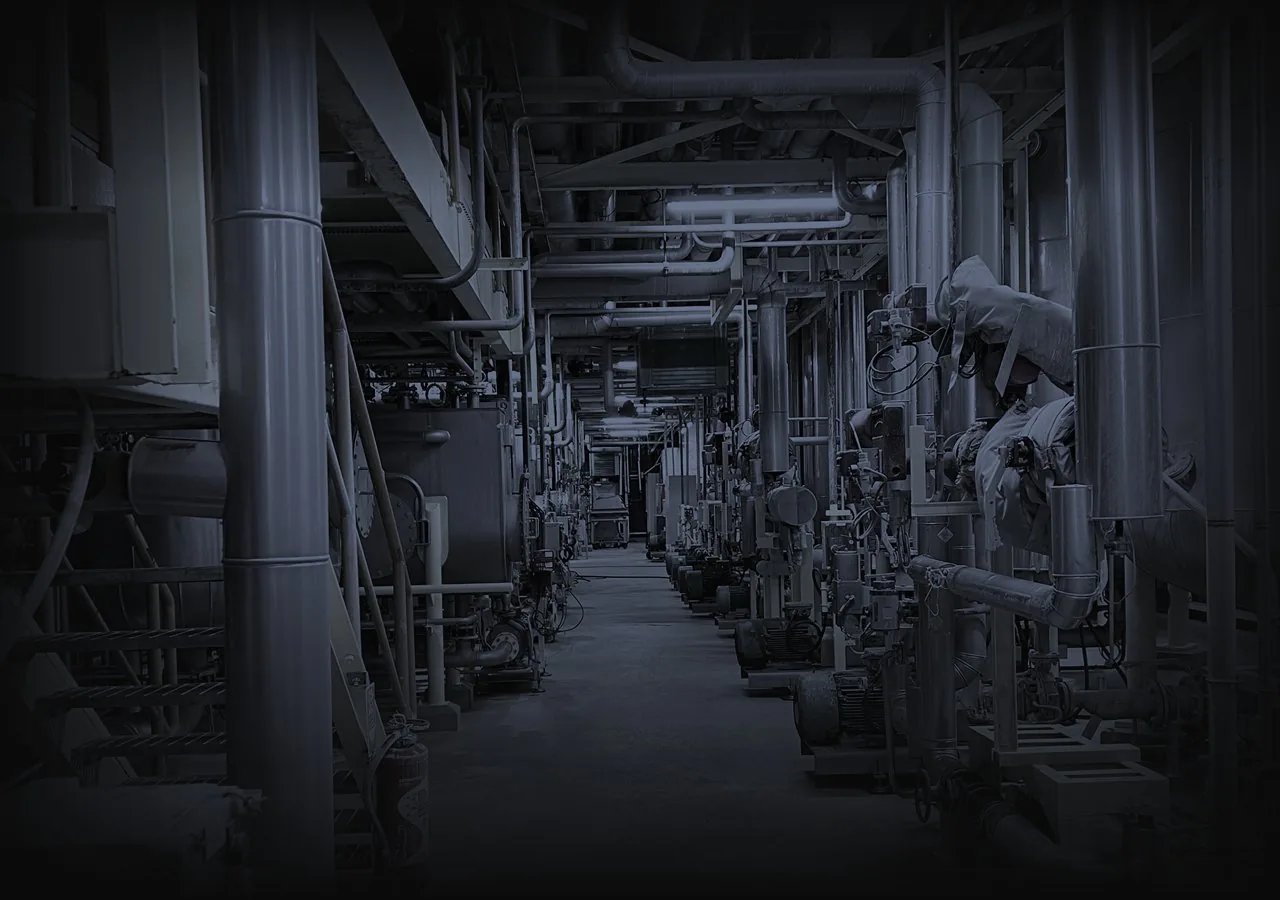
I have just published a visual essay that reads as you scroll, in the spirit of the big newsroom formats. I built it with an AI, no studio and no designer. Rather than sell you the result, I would rather tell you how it was made, failures included. It says more about the way I work than any slide deck.
The essay itself is in French.
A first attempt, and a breakdown
The starting point was a Reuters page on the war in Ukraine, where you cross a stretch of terrain by scrolling. I wanted that. I asked the AI to take inspiration from it: it launched six agents in parallel to draw vector plates. They produced a very clean art-direction document, then all of them hit a technical limit. Not one plate delivered.
Looking closely at how Reuters actually does it, I realised I had lost nothing: those are not drawings, they are images, photorealistic 3D renders, with annotation boxes laid on top. Out of reach here, whatever the number of agents.
Copying the reference was impossible. What remained was to find what I had, and Reuters does not.
Start from what you already own
What I had was my phone: photographs taken in plants, over the course of engagements. A service alley lined with pumps, a control panel showing a high-vibration fault, an inspection robot alone on a plant road, workshop matrices covered in sticky notes.
This is exactly what I keep saying on site: the first seam is almost never something you buy, it is something you wake up. I preach it for production data; I had not applied it to my own archive.
Sorting taught me more than producing. Out of sixteen photographs, two were dropped for what I could not publish: one identified a client through its wall displays, another showed recognisable faces. Two more were badly oriented. The constraint, anonymity and image rights, framed the shots for me, and often better than I would have: a hand on a control says more than a face.
Then came the assembly. Raw photographs do not make a long-form piece: they had to be graded the way the press does it, partial desaturation, darkening, a colour drift specific to each act, edges dissolved into the black of the page. Then a layer of markers, labels and paths that draw themselves as you scroll.
The moment I nearly published an empty page
I opened the page and saw almost no text. Dark photographs, superb, and nothing else.
The diagnosis was simple: all the content, the paragraphs, the annotation cards, the figures, started out invisible and only appeared if a script detected my scrolling. The moment that script failed to respond, the page showed nothing at all. An article without text.
The interesting part is not the bug. It is that every one of the AI’s checks came back green. It had verified its images, its links, its security, its code: nothing to fault within its own perimeter. It had checked what it knew how to check, on frozen screenshots, never the actual experience of a reader moving down a page on a screen.
I saw it the moment I opened the page, on a real screen.
The fix came down to one rule: no content hidden by default. There is not a single line of the page that now starts out invisible. And it was not the only time: twice more, from my own screenshots, I had to flag text elements slipping underneath others. Every time the checks were green. Every time it took someone who looked.
What this confirms
My rule fits in three words, verify, validate, valorise, and I got a demonstration at my own expense. The AI produced, fast and well. It could not judge its own output. Nobody in the loop, and I would have published an empty page believing I had succeeded.
There is a technical lesson here that reaches well beyond a website: never make a piece of content depend on a mechanism that may fail to fire. If the mechanism falls over, what must remain is the content, not the void. The same holds for a sensor that gates a shop-floor display, a calculation that gates an alarm, a controller that gates a quality record.
And a lesson in method: AI does the rough work, a person decides. This is not a precaution of principle, it is what separates a deliverable from a mess.
The question to put on the table on Monday morning: which of our checks come back green without anyone ever having looked at the result? It is not a question about AI. It has always been the same one. AI simply makes it more urgent, because it produces faster than we proofread.
See the result: The grey zone (in French). On the same theme: Vibe coding, the end of an era and Where AI has no business being. Have a specific case in mind? Test in 1 minute whether it really deserves AI, or let’s talk for 20 minutes.